July 4, 2025
Electronic identity card: what it is, its benefits, and how to get one
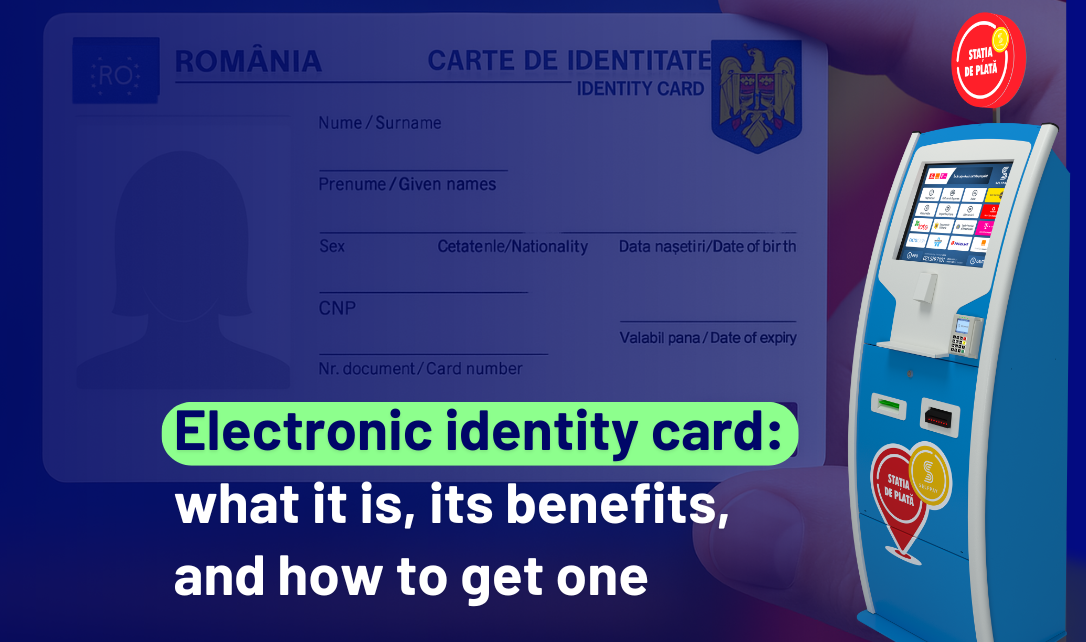
In a world where digitalization is becoming increasingly present in everyday life, the electronic identity card is a major step toward modernizing the relationship between citizens and the state. This advanced identity document not only replaces the traditional ID card but also offers several additional functionalities.
What is the electronic identity card?
The electronic identity card is issued by the Directorate for Persons Records and Database Administration (DEPABD) and serves both as a means of identification and digital authentication. It looks similar to the classic ID card but contains an embedded electronic chip that stores essential information about the holder.
The integrated chip allows for fast and secure identification in various digital systems and can be used for qualified electronic signatures, authentication in public digital systems, and even for electronic voting in the future.
What Information is stored on the chip?
The chip on the electronic identity card stores:
- Identification data (name, surname, personal ID number, etc.)
- Facial image
- Fingerprints (optional, for citizens over 12 years old)
- Digital certificates for authentication and electronic signature
All this data is encrypted and protected, and access is granted only with the holder’s consent.
What are the benefits of the electronic identity card?
The implementation of this document brings several significant advantages for both citizens and the administration:
- Fast and secure identification when dealing with state institutions
- Reduced bureaucracy through digital access to public services (e.g., obtaining a criminal record, submitting requests online)
- Qualified electronic signature, legally equivalent to a handwritten one
- Ability to access accounts on platforms like Ghiseul.ro or other public systems without a password—just using the card and an NFC reader
Who can request an electronic identity card?
Currently, the electronic identity card is optional, and citizens can choose between:
- A simple identity card (without a chip)
- The electronic identity card
It can be requested by any person residing in Romania who meets the legal requirements (typically starting at age 14 or when the previous document expires).
How to get the electronic identity card
Appointment
Appointments for obtaining the electronic ID can be made online via the eDirecția platform or through the website of the local people records office.
Required Documents
To submit the application, you need:
- Completed application form (provided at the desk)
- Birth certificate (original and copy)
- Old identity card
- Marriage certificate or divorce decree, if applicable
- Proof of residence
- Receipt proving payment of the electronic identity card fee
Where can you pay the fee for the electronic ID?
The fee for issuing the electronic identity card can be paid quickly and easily at SelfPay Payment Stations. There are over 12.000 SelfPay Payment Stations nationwide, including in supermarkets, gas stations, city halls, shopping centers, and convenience stores.
How to pay at a SelfPay Payment Station:
- Find your nearest SelfPay Station here.
- Tap on Taxes and Fees from the main screen.
- Select Identity Cards (new format).
- Choose Electronic Identity Card.
- Decide whether you’re paying the fee for yourself or someone else.
- Enter the required information (Name, Surname, and Personal ID Number).
- Pay the fee.
This option is ideal for anyone, especially if you don’t want to waste time waiting in line.
Where are electronic identity cards issued?
The issuance of the electronic ID began as a pilot project in Cluj-Napoca but has since expanded to multiple counties. Authorities have announced a gradual nationwide rollout so that by 2031, all traditional identity cards will be replaced.
To check if you can request an electronic identity card in your county, visit the official DEPABD website or contact your local people records office.
Conclusion
The electronic identity card is a natural step toward a more digitalized, efficient, and secure society. Although not mandatory at this stage, it brings clear advantages for citizens, especially in interactions with public institutions.
And for those choosing this modern option, the fee can be paid quickly and hassle-free at any SelfPay Payment Station – no lines, no headaches.